
A Brief History of Humanized Brains
Xenocortical mice did not appear out of nowhere. A short, cited timeline of the experiments that made them possible, from 2017 to today.
The archive
Explainers, research breakdowns, ethics, and comparisons — each built on the peer-reviewed literature, with full sources at the end of every piece.
Xenocortical mice did not appear out of nowhere. A short, cited timeline of the experiments that made them possible, from 2017 to today.
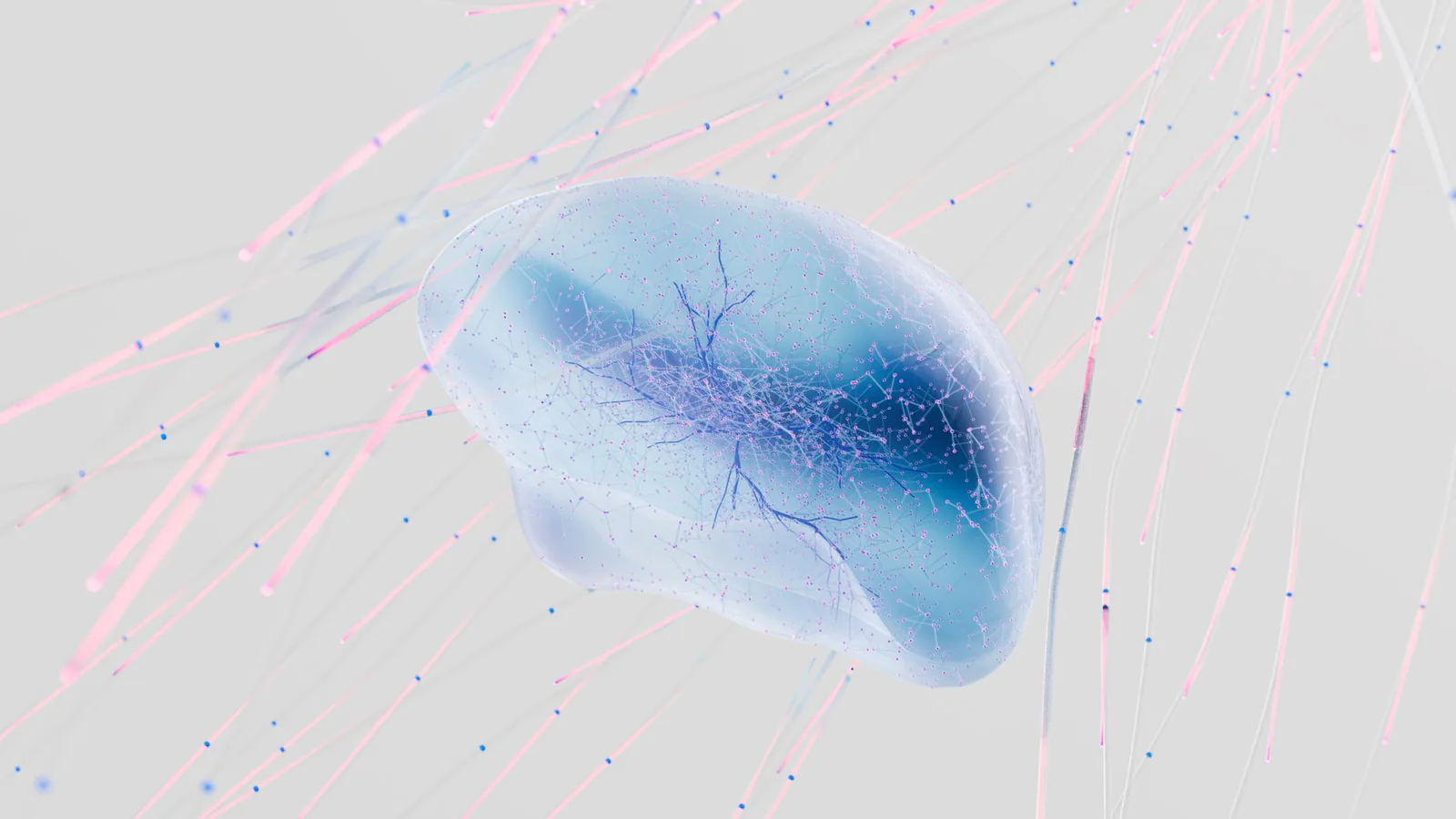
Large language models are trained on the residue of human thought. Xenocortical tissue is human brain development running in another body. They are not two versions of the same thing, and the contrast tells us what each one is for.

A mouse whose brain is half human raises a question no ethics board was designed for. We look at the welfare debate, the consciousness question, and how researchers say the work should be governed.
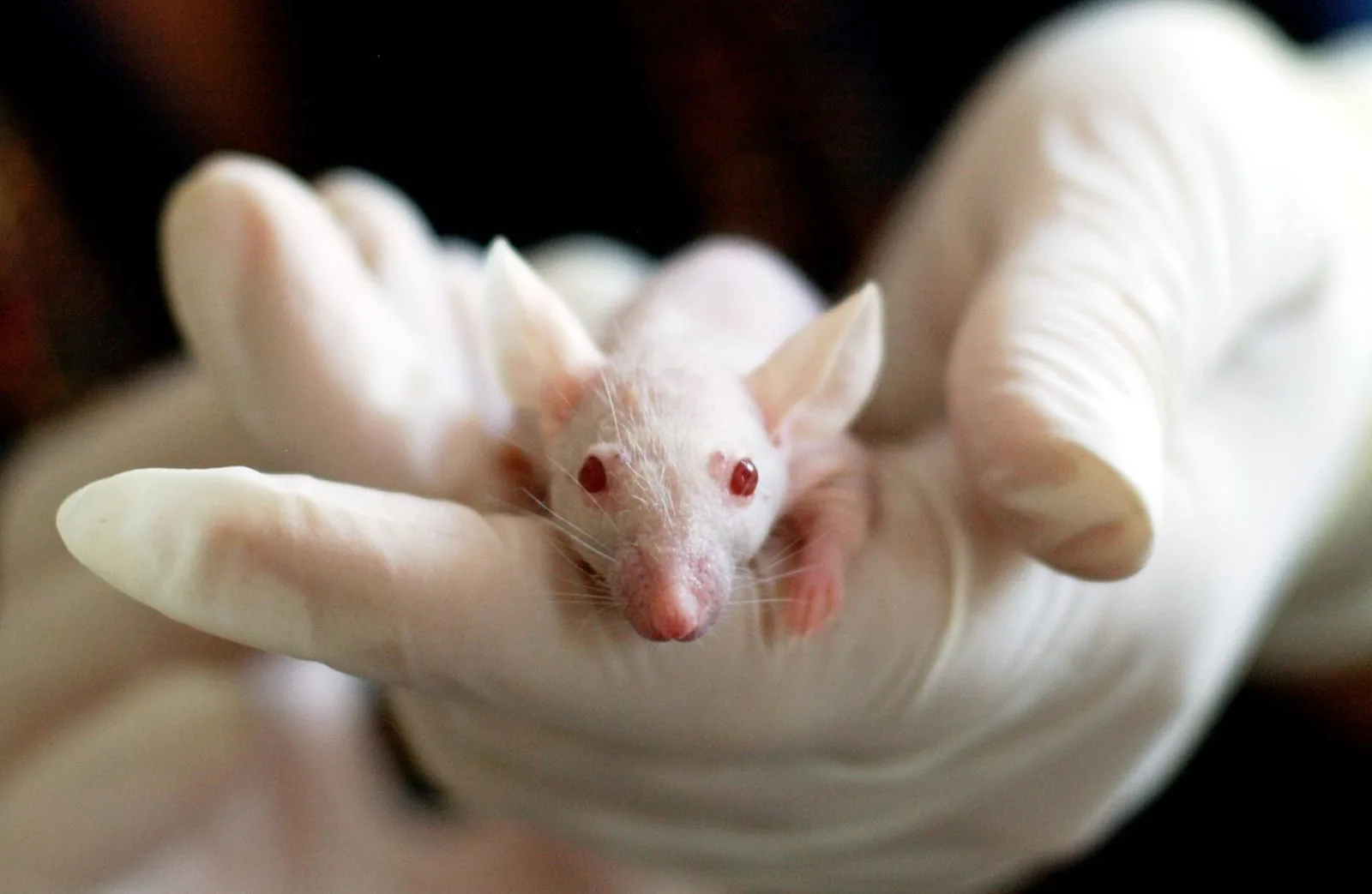
The word showed up in a Nature paper and a Stanford lab photograph: 'xenocortical graft.' Here is what it means, how the animals are made, and what a xenocortical mouse genuinely is and is not.
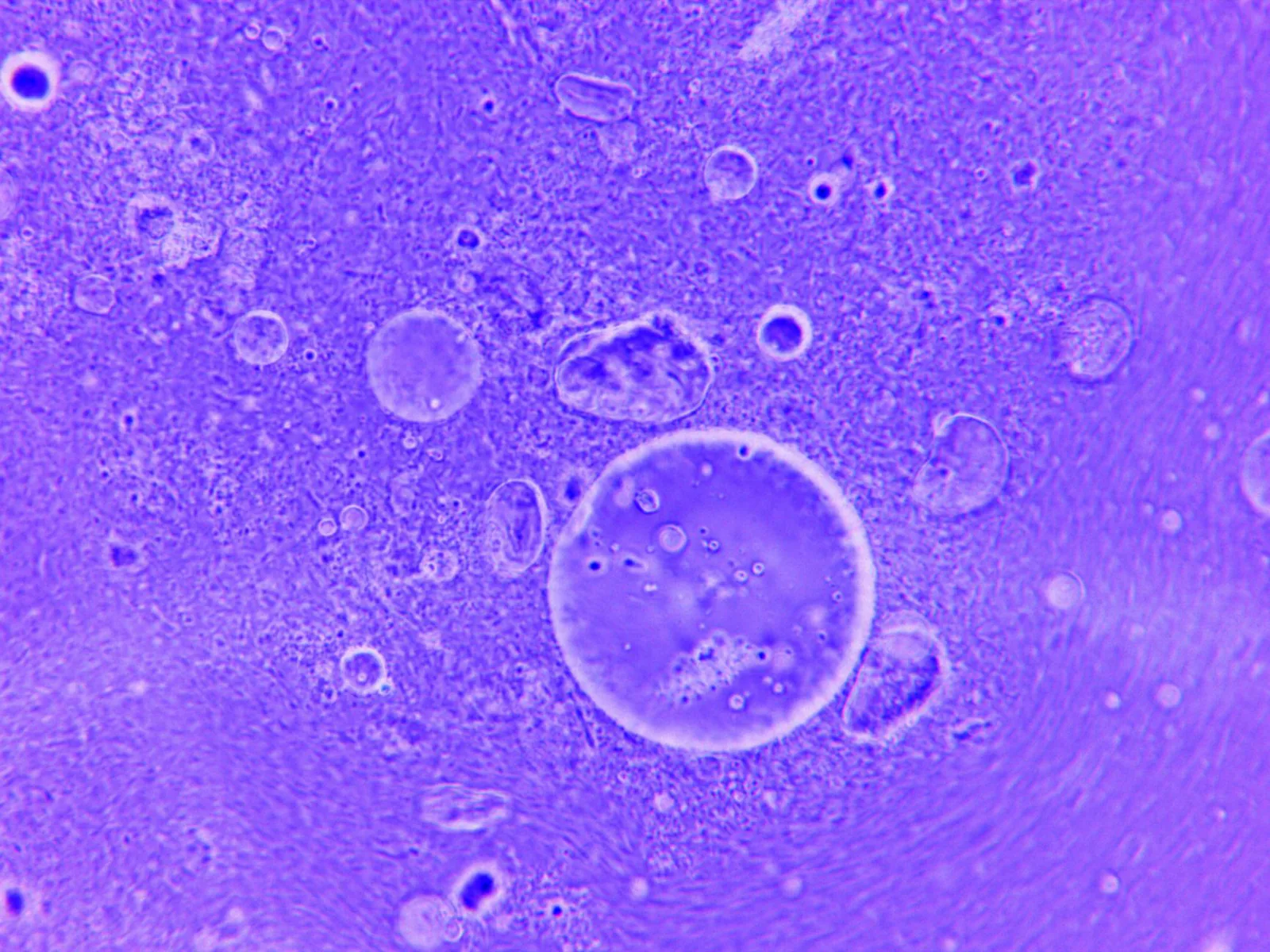
Researchers at Stanford emptied the cortex and hippocampus of mice and filled the space with lab-grown human cells. Three months later the graft was hooked into the blood supply and made up about half the brain. The numbers behind the study, and what they actually show.