Xenocortical.com

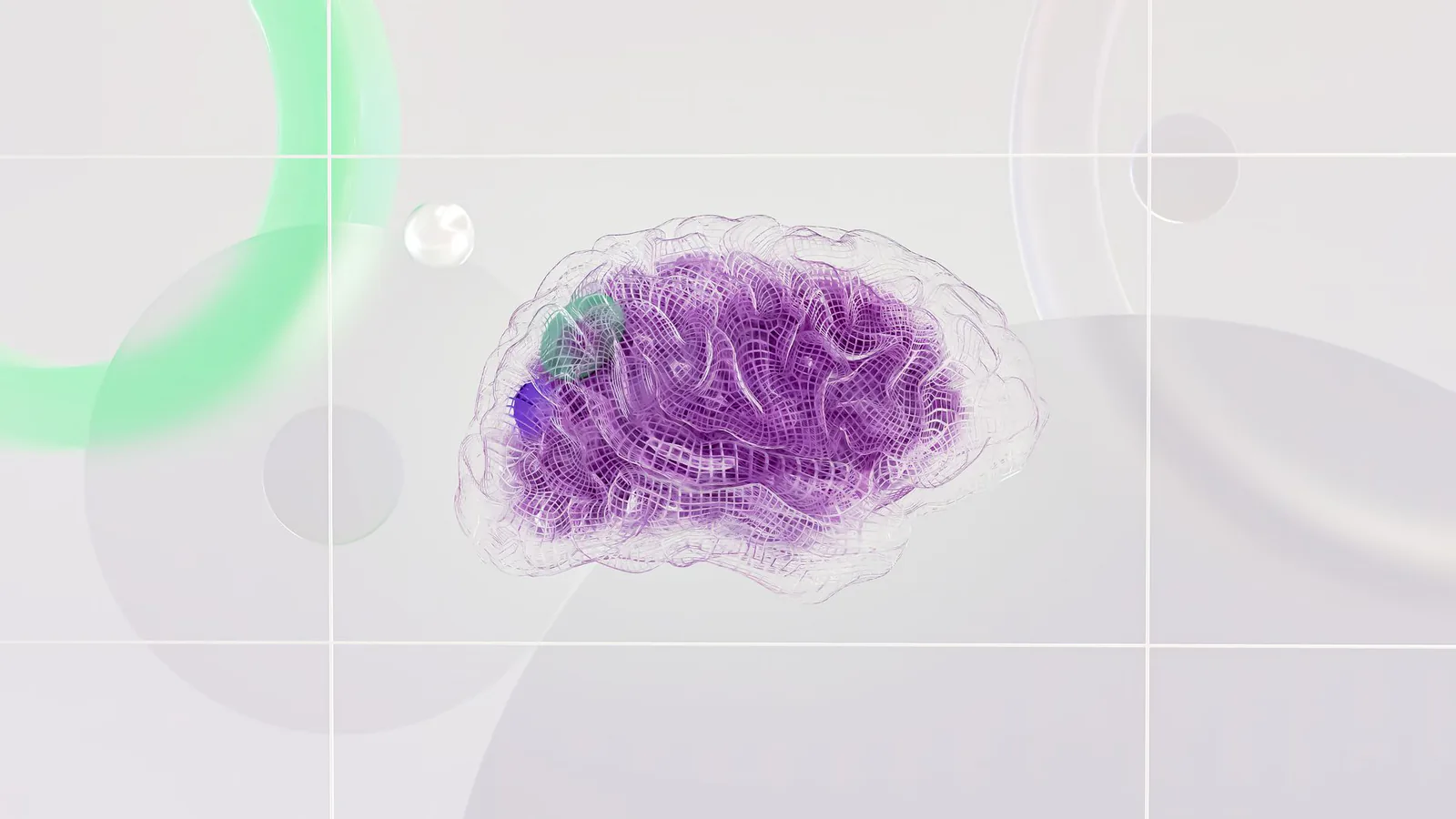
The science of part-human brains, explained

The first intelligence we grew, not trained.

In September 2026, researchers created mice whose brains are half human tissue — xenocortical mice. This site explains the science, celebrates what is genuinely beautiful about it, and takes its ethics seriously.

~4M

Human cells in each graft after three months

~50%

Of the brain's volume made of human tissue

3 mo

From injection to vascularized, integrated graft

2026

Nature paper that coined "xenocortical"

"We've been trying really hard as a community… fewer therapeutics than every single branch of medicine." The human brain is the least understood organ medicine has — and for the first time, parts of it can be made accessible for investigation.
— The research motivation, per Prof. Sergiu Pașca, Stanford

The two-minute explainer

What did scientists actually do?

What is a xenocortical mouse?

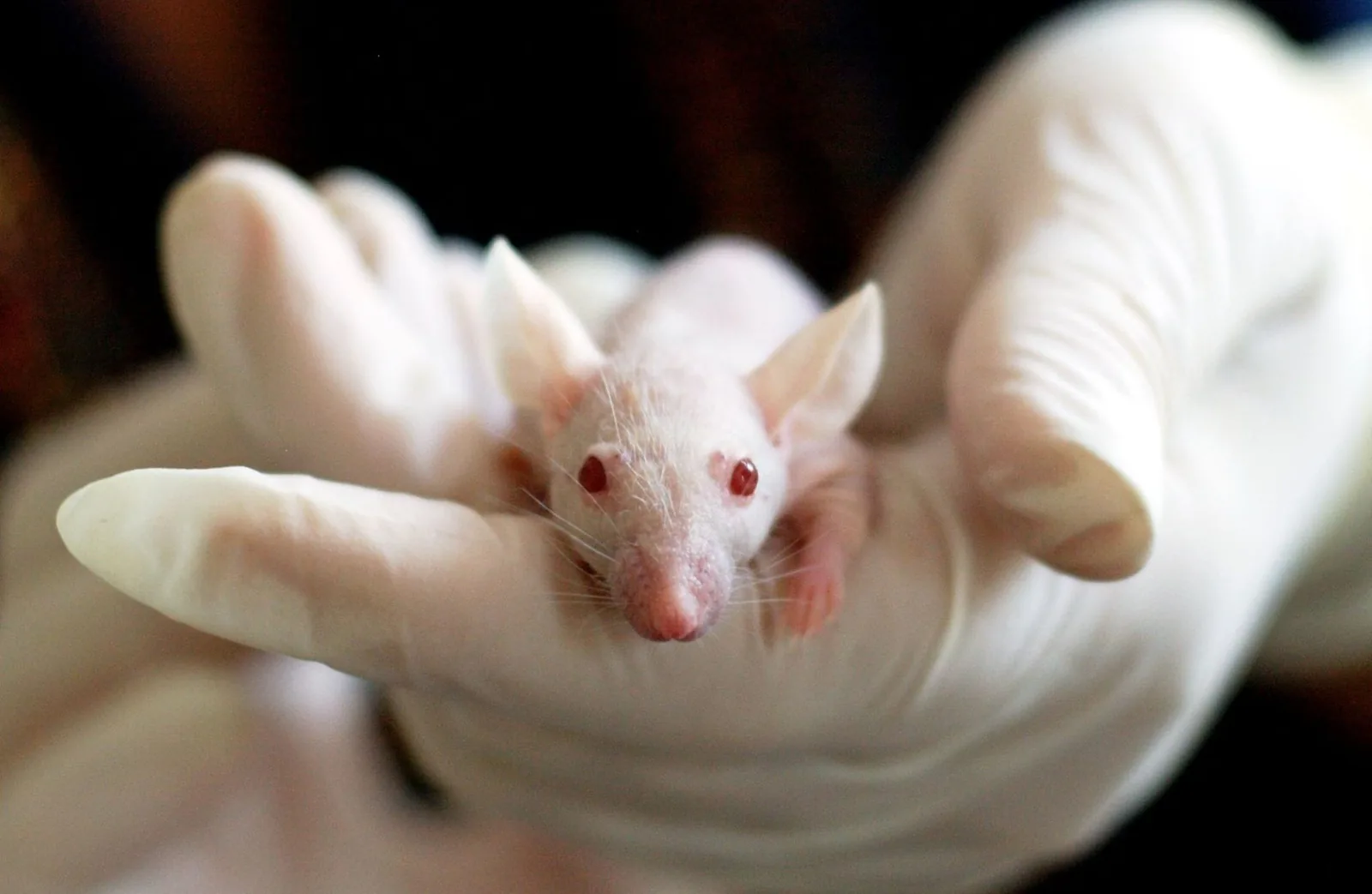
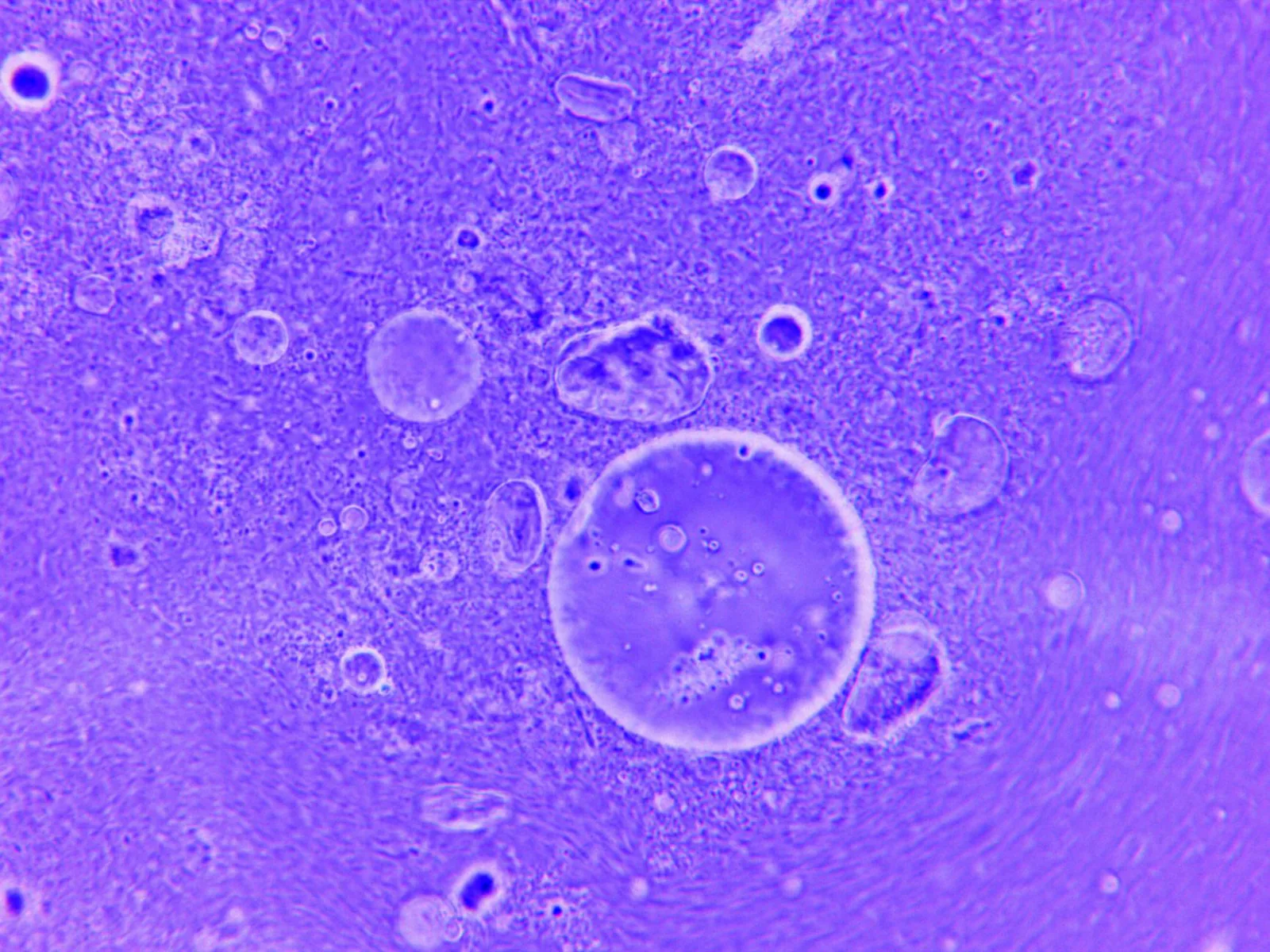
A mouse that received a transplant of human cortical tissue — "xenocortical" means foreign cortex. Stanford researchers grew human brain organoids from a patient's reprogrammed skin cells and injected roughly 100,000 cells into mice engineered so their own cortex and hippocampus barely develop. Three months later, the human graft was vascularized, had grown to about four million cells, and made up about half the brain by volume.

Are these mice smarter? Are they part-human?

No — and the researchers are explicit about it. The graft is immature, roughly halfway through fetal-equivalent development, and is not structured or wired like a human brain. Gait and cognition improved only slightly, and the animals are not described as enhanced. A xenocortical mouse is a research model, not a new creature with human thoughts.

Why is this a big deal?

Because the human brain is inaccessible. You cannot take a biopsy of a living person's cortex to study schizophrenia, epilepsy, cerebral palsy, or dementia. Human brain tissue in an animal changes that: in the Nature paper, five hours of low oxygen selectively damaged the human cells in a way that mirrors cerebral palsy, and the grafts contained von Economo neurons — the cells that die first in frontotemporal dementia. Diseases can now be watched, and hopefully treated, in living human tissue.

Is this really artificial intelligence?

It is the other kind. Machine AI learns from our written output; xenocortical tissue grows from our developmental blueprint, running the same biological program that builds every human cortex. Machine AI is our echo — this is our tissue. That contrast, and the ethics that follow from it, is what the rest of this site explores.

Read the full explainer

Grown vs. silicon

Two kinds of artificial intelligence

Machine intelligence is intelligence abstracted from biology. Xenocortical research is biology asked to keep being intelligence. We compare them honestly — origins, learning, failure modes, scale, and moral status.

Read the comparison
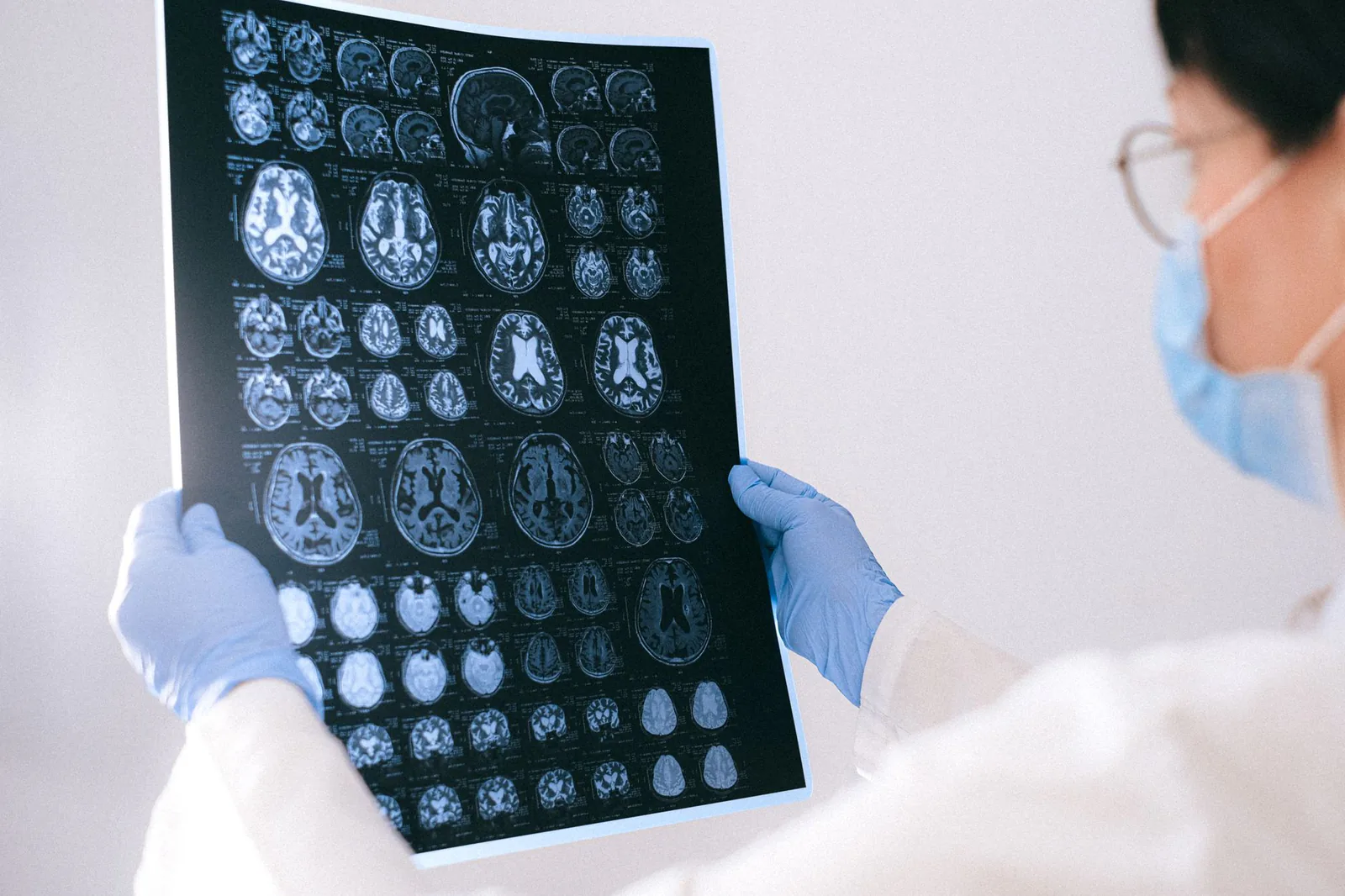
A scientist reviewing imaging in a laboratory

About this site

Why we built it

Xenocortical.com exists because one of the most consequential experiments in biology arrived wrapped in a word most readers had never seen. The research is beautiful — genuinely, in the way that only biology can be: cells from a patient's skin, grown into brain tissue, given a blood supply, and asked to become part of another animal.

We explain what the papers actually say, cite every claim, and hold two things at once: admiration for the ingenuity, and seriousness about the ethical questions — animal welfare, consciousness, moral status — that this work necessarily raises. Intelligence, it turns out, does not only get built. It also gets grown. That deserves clear-eyed public attention.

Get in touch

Questions, corrections, tips

Are you a researcher in organoid or xenotransplantation science? A student with a question? An ethicist who thinks we got it wrong? Write to us — corrections and new sources are always welcome.